Maximize Your Wind Turbine’s Uptime.

Inspect 4+ turbines daily. Outperform rope access. Secure audit-ready proof.

The Expert Platform for Wind Farm Teams

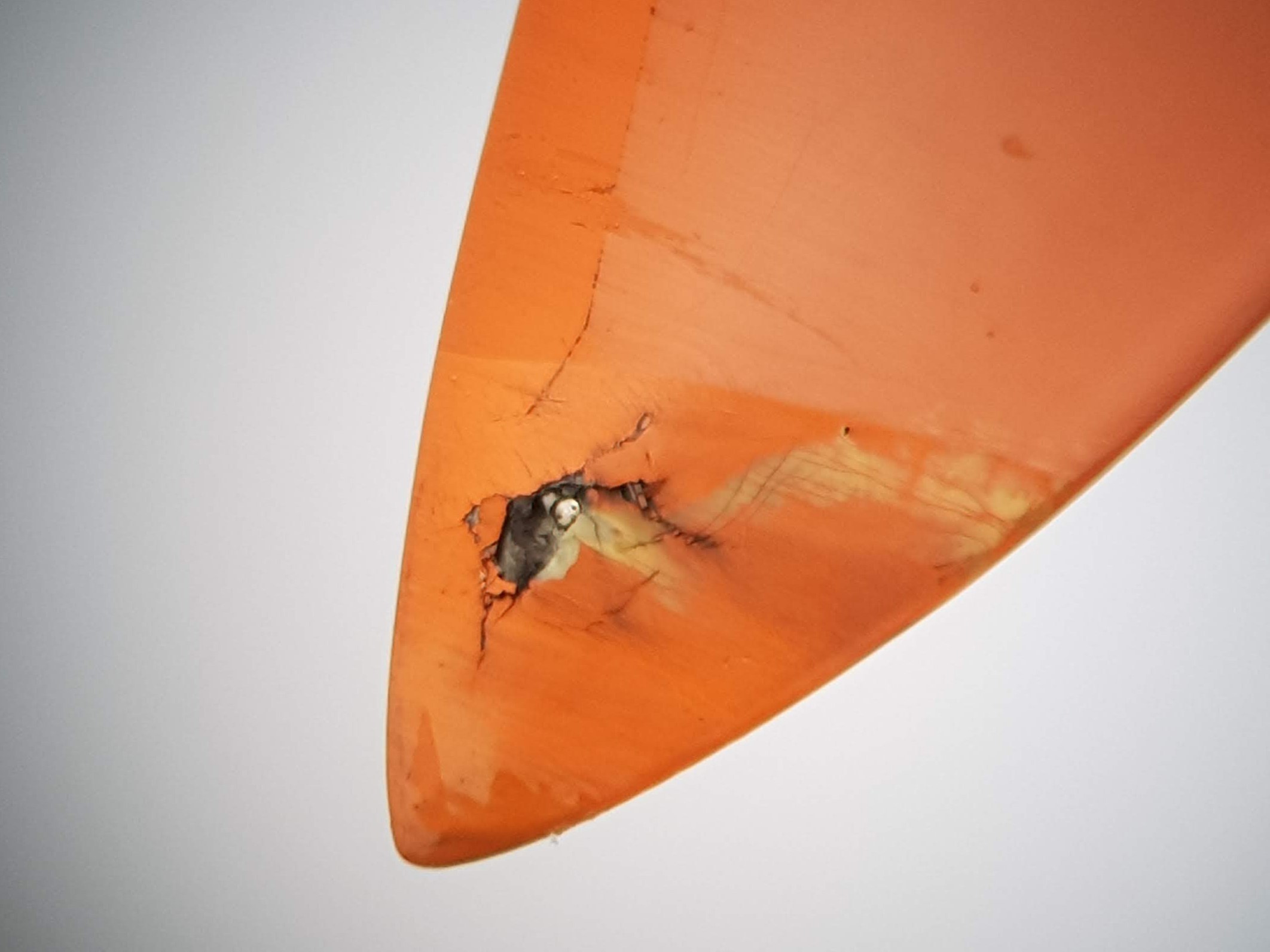
At TOPseven, we understand that you aren't just buying pictures—you are buying evidence that holds up in audits, warranty claims, and life extension decisions. Our platform integrates AI software, precision sensors and expert robotics to deliver consistent, high-quality data every time.

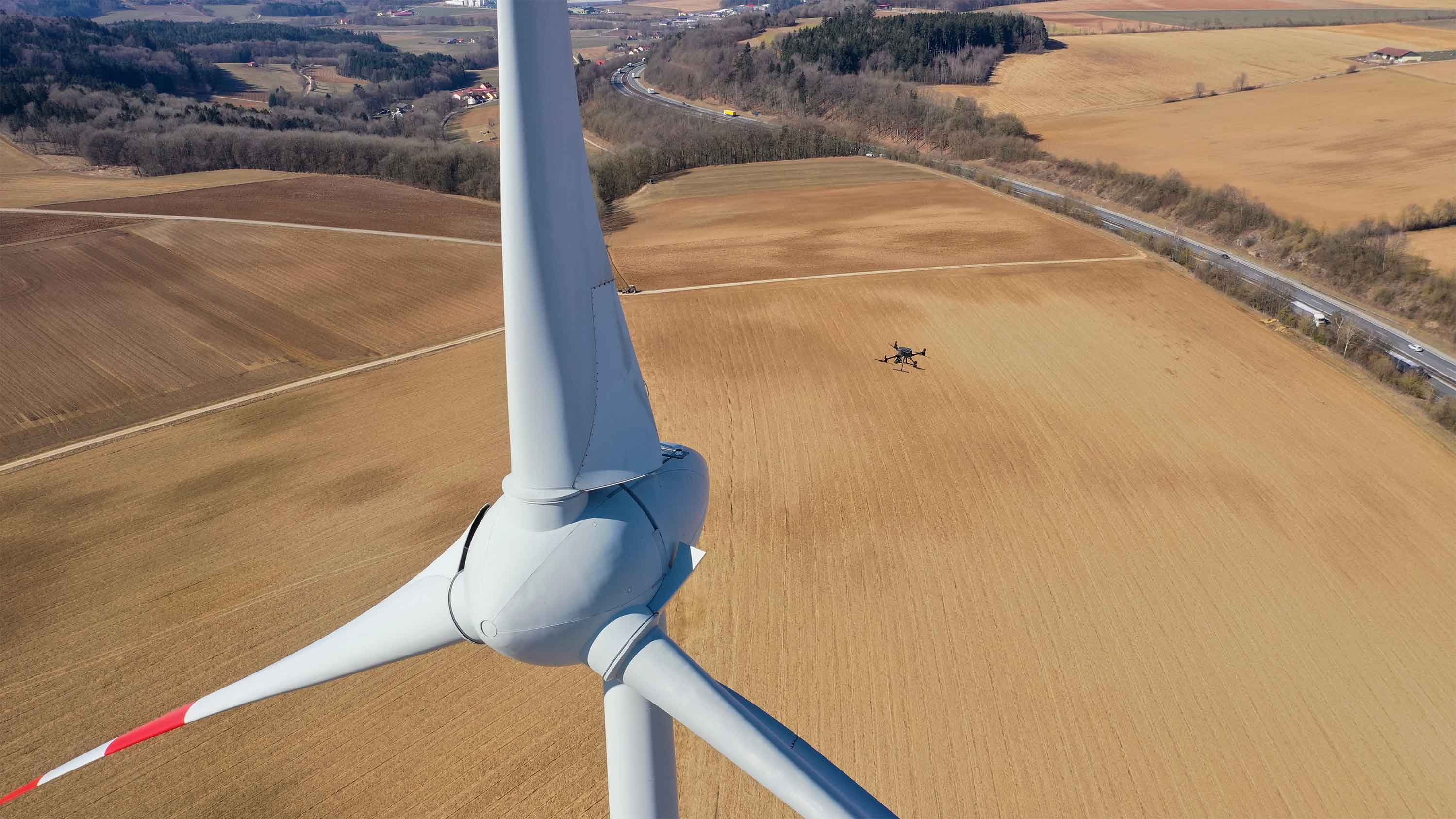
We enable teams to inspect four or more towers and rotor blades per day with high-precision imaging and contactless lightning protection testing. Our autonomous platform amplifies your team's capability, making your experts even more effective.

At TOPseven, we understand that you aren't just buying pictures—you are buying evidence that holds up in audits, warranty claims, and life extension decisions. Our platform integrates AI software, precision sensors and expert robotics to deliver consistent, high-quality data every time.

We enable teams to inspect four or more towers and rotor blades per day with high-precision imaging and contactless lightning protection testing. Our autonomous platform amplifies your team's capability, making your experts even more effective.

The Industry Problem: Why Traditional Methods Fail

The Industry Problem: Why Traditional Methods Fail

Common industry challenges:

Weeks lost processing disconnected data shipped overseas for interpretation. Vendors without structured implementation support leave operational risk with your team.

The Operational Fallout:

Your team wastes time wrestling with fragmented data while critical findings are missed or delayed. Implementation becomes improvisation. Despite your best efforts, you are left managing operational disruption that threatens your professional reputation.
Autonomous Inspections with Predictable Results

TOPseven’s autonomous wind turbine inspection platform combines visual and mechanical testing with German engineering. We deliver accepted reports without the need for retakes or rework.
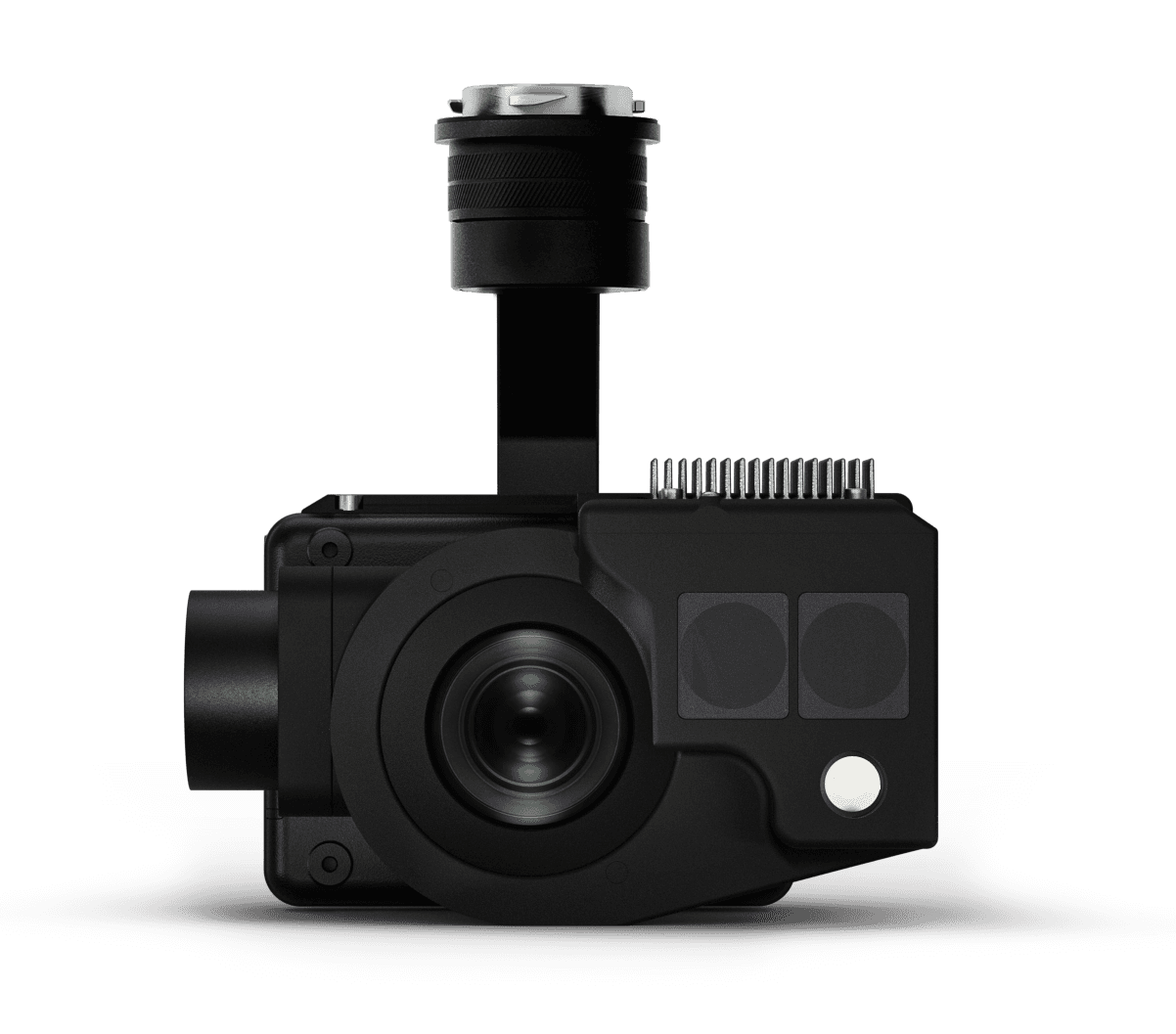
TOPseven SIGHT

TOPseven SIGHT

TOPseven SIGHT

High-precision Imaging


Continuous capture eliminates waypoint stops.

German-engineered precision imaging with established accuracy standards.

Expert manual camera control for professional judgment situations.

Professional exposure adjustment maintaining optimal detection conditions.
TOPseven BEAT

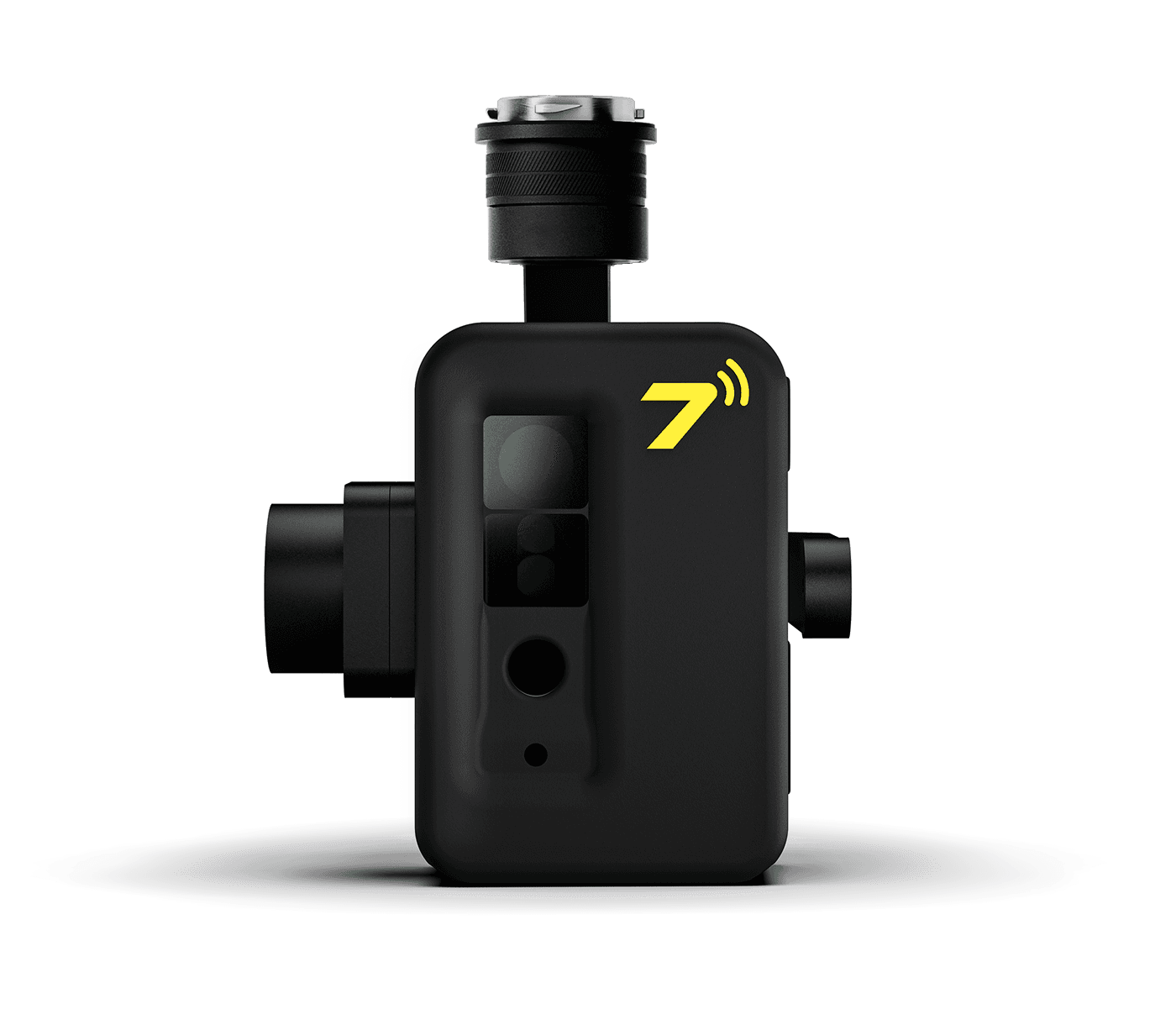
TOPseven BEAT

TOPseven BEAT

Contact-less LPS testing


Contactless LPS testing integrated in flight mission gaps.

Complete rotor blade health analysis in single comprehensive mission.

Contactless mechanical data reducing safety risks and operational costs.
Always in control

Always in control

Always in control

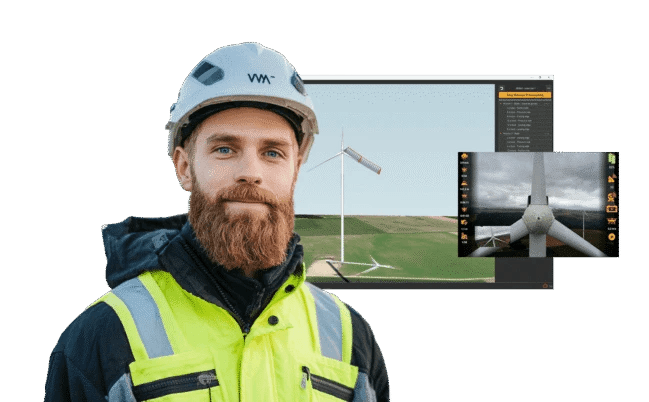
Expert Control Architecture


Manual override capabilities for complex inspection scenarios.

Professional workflow integration with existing quality standards.

Expert parameter control maintaining professional inspection autonomy.
Audit-Ready Results in Four Steps.

Audit-Ready Results in Four Steps.

01 Plan

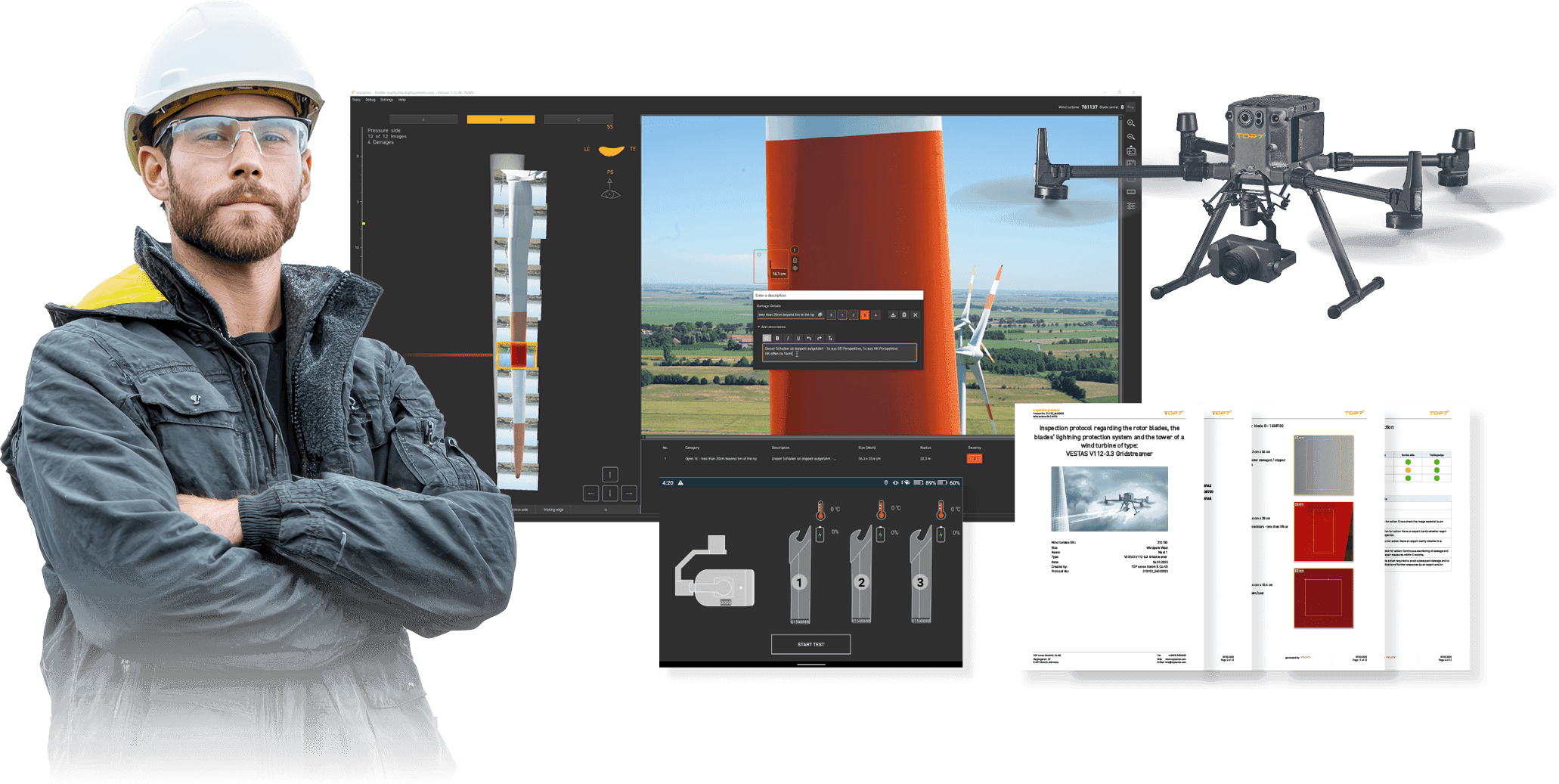
Our system calibrates the mission to the actual asset geometry before takeoff, automatically detecting blade positions and computing the precise flight path your team will execute.

02 Execute

Your operator initiates the mission. The system executes the standardized route, capturing continuous visual and LPS data, and verifies complete coverage before landing.

03 Analyze

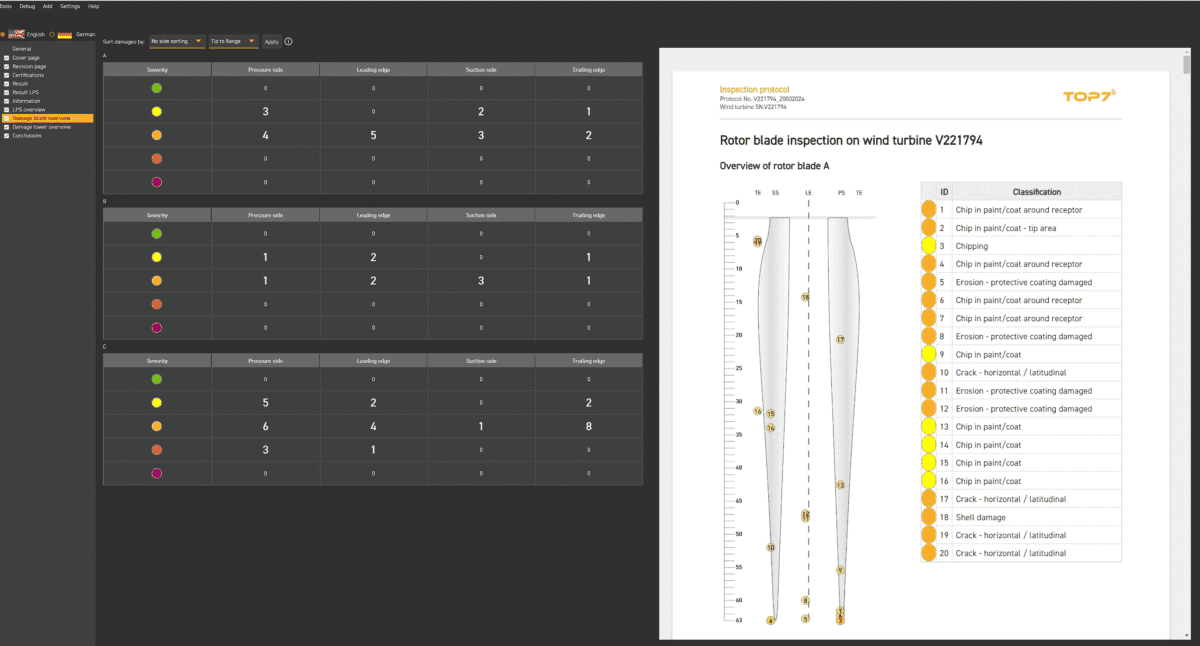
Your experts review imagery mapped directly onto the asset structure, classify damage using standardized severity scales and generate audit-ready PDF reports directly from the platform.

04 Govern

Your organization manages teams, enforces permissions, and archives every mission with full traceability from capture to signature for any audit request.

From Risky Climbs to Reliable Throughput.

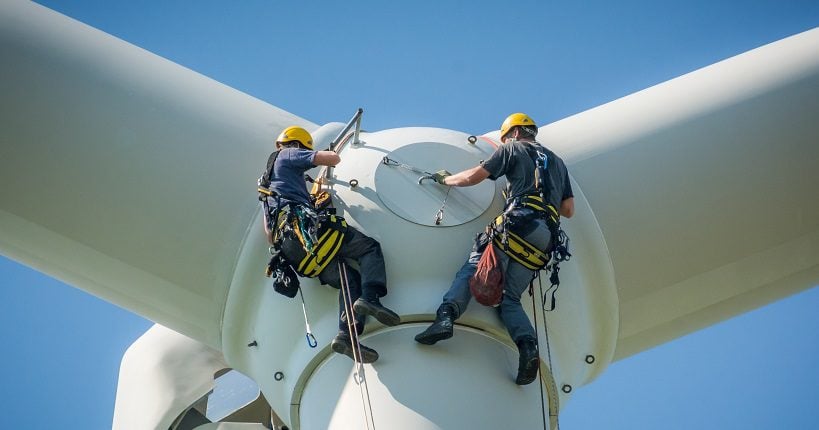
Rope Access

Low Throughput: Delivers only two turbines per day under ideal conditions; weather delays cascade through schedules.

Disconnected Data: Imagery ships overseas; reports arrive weeks later with coverage gaps discovered too late.

Safety Exposure: LPS testing requires separate missions with personnel climbing blades, multiplying risk.

Implementation Gaps: Vendors often disappear after contract signature, leaving you to solve problems alone

Inconsistent Quality: Results vary by operator, placing the quality burden on your senior inspectors

Technology failures during client projects land on your professional reputation while the vendor moves on.

Vectura

Built specifically for modern finance operations.

Clean, intuitive interface designed for speed.

One platform — expenses, budgets, vendors.

Smart approval flows with built-in controls.

Real-time insights with budget health indicators.

Up and running in days with guided implementation.

Transparent pricing with everything included.

Dynamic, customizable reports you can actually use.

Rope Access

Low Throughput: Delivers only two turbines per day under ideal conditions; weather delays cascade through schedules.

Disconnected Data: Imagery ships overseas; reports arrive weeks later with coverage gaps discovered too late.

Safety Exposure: LPS testing requires separate missions with personnel climbing blades, multiplying risk.

Implementation Gaps: Vendors often disappear after contract signature, leaving you to solve problems alone

Inconsistent Quality: Results vary by operator, placing the quality burden on your senior inspectors

Technology failures during client projects land on your professional reputation while the vendor moves on.

High Throughput: Delivers four or more turbines daily with consistent quality, regardless of operator.

Immediate Results: Audit-ready reports generated at market speed with complete coverage verification on-site.

Integrated Safety: Contactless LPS testing integrates into a single flight mission with no additional safety risk.

Expert Support: Structured training and working-hours support from engineers who understand wind inspection.

Standardized Quality: Consistent capture quality from every operator at every site, independent of individual experience.

Proven Reliability: A 96.5% mission success rate and systematic German engineering protect your credibility.

Rope Access

Low Throughput: Delivers only two turbines per day under ideal conditions; weather delays cascade through schedules.

Disconnected Data: Imagery ships overseas; reports arrive weeks later with coverage gaps discovered too late.

Safety Exposure: LPS testing requires separate missions with personnel climbing blades, multiplying risk.

Implementation Gaps: Vendors often disappear after contract signature, leaving you to solve problems alone

Inconsistent Quality: Results vary by operator, placing the quality burden on your senior inspectors

Technology failures during client projects land on your professional reputation while the vendor moves on.

High Throughput: Delivers four or more turbines daily with consistent quality, regardless of operator.

Immediate Results: Audit-ready reports generated at market speed with complete coverage verification on-site.

Integrated Safety: Contactless LPS testing integrates into a single flight mission with no additional safety risk.

Expert Support: Structured training and working-hours support from engineers who understand wind inspection.

Standardized Quality: Consistent capture quality from every operator at every site, independent of individual experience.

Proven Reliability: A 96.5% mission success rate and systematic German engineering protect your credibility.

Your Professional Reputation Demands Proven Reliability.

Your Professional Reputation Demands Proven Reliability.

Expert Reliability You Can Trust.

Our blade inspection experts work directly with your team through systematic implementation and provide ongoing technical support. We understand implementation complexity because we are wind industry professionals first, committed to your long-term operational success and reputation protection.
A 96.5% mission success rate and systematic German engineering protect your credibility.

A 96.5% mission success rate and systematic German engineering protect your credibility.

Frequently Asked Questions

Answers to common questions about getting started and using TOPseven day to day.

Book a demo call

Inspection and monitoring challenges and see how TOPseven can improve your operational efficiency.

Do you prefer email? We're available at:

Book a demo call

Inspection and monitoring challenges and see how TOPseven can improve your operational efficiency.

Do you prefer email? We're available at:

Book a demo call

Inspection and monitoring challenges and see how TOPseven can improve your operational efficiency.

Do you prefer email? We're available at:

How does training for the TOPseven Platform work?
icon

Our training is divided into theory and practice and lasts a total of three days. On the first day, there is a theoretical introduction to our system, including a refresher on flight safety. The practical part then takes place on the second and third days directly at a wind turbine. Here, participants learn how to use our software, prepare missions, and handle the hardware components, including cameras and signal generators. Training participants must have an EU A1/A3 license and be GWO-certified in advance, as the training also involves working on the turbine.

How many people are required for an on-site inspection?
icon

Two people with valid GWO certification are generally required for on-site work. This requirement arises from safety regulations, particularly when working on or in wind turbines. In individual cases, purely visual flights without any climbing onto the turbine may be carried out by one person, provided that the relevant health and safety guidelines permit this. However, as soon as a technician climbs onto the turbine, two trained persons are always required on site for safety reasons.

What environmental conditions must be met for an inspection?
icon

Our drone solution is approved for use in wind speeds of up to 15 meters per second. Flights are also technically possible in light drizzle, fog, or snowfall. However, image quality and thus visual evaluation may be limited under these conditions. The operating temperatures range from -10 to +40 degrees Celsius. The safety of the inspectors is always the top priority, which is why, in the event of strong winds or slippery conditions, it may not be possible to enter the plant, even if the drone is still technically operational.

How is data sovereignty regulated and what happens to the collected data?
icon

Full data sovereignty lies with the customer or the operator of the wind turbine. All images, measurement results, and metadata recorded during the inspection are made available to the customer within the framework of the contractual agreement and remain in their possession. TOPseven stores the data temporarily on its own AWS servers. The data is only used to train the customer's own AI within the scope of the contract concluded with the customer. This clause is an integral part of the framework agreement with partners. TOPseven's goal is for customers to be able to operate the system completely independently after successful training and to continue training their own AI.

How is the data evaluated and who creates the report?
icon

The evaluation takes place in two stages: First, the TOPseven software automatically generates a preliminary report after the mission is complete. The integrated AI flags potential damage or anomalies in the images taken, but does not make any statements about the severity or classification of the damage. A leaf expert on the customer side then performs the final review and evaluation. This expert decides whether the areas identified by the AI are actually relevant, provides feedback on the AI detection, and finalizes the report. TOPseven itself does not offer its own damage classification, but provides the software platform that the experts can work with. If necessary—especially in the early stages of a project—TOPseven can provide an internal expert to assist with creating reports and facilitating implementation at the customer's site.

How does training for the TOPseven Platform work?
icon

Our training is divided into theory and practice and lasts a total of three days. On the first day, there is a theoretical introduction to our system, including a refresher on flight safety. The practical part then takes place on the second and third days directly at a wind turbine. Here, participants learn how to use our software, prepare missions, and handle the hardware components, including cameras and signal generators. Training participants must have an EU A1/A3 license and be GWO-certified in advance, as the training also involves working on the turbine.

How many people are required for an on-site inspection?
icon

Two people with valid GWO certification are generally required for on-site work. This requirement arises from safety regulations, particularly when working on or in wind turbines. In individual cases, purely visual flights without any climbing onto the turbine may be carried out by one person, provided that the relevant health and safety guidelines permit this. However, as soon as a technician climbs onto the turbine, two trained persons are always required on site for safety reasons.

What environmental conditions must be met for an inspection?
icon

Our drone solution is approved for use in wind speeds of up to 15 meters per second. Flights are also technically possible in light drizzle, fog, or snowfall. However, image quality and thus visual evaluation may be limited under these conditions. The operating temperatures range from -10 to +40 degrees Celsius. The safety of the inspectors is always the top priority, which is why, in the event of strong winds or slippery conditions, it may not be possible to enter the plant, even if the drone is still technically operational.

How is data sovereignty regulated and what happens to the collected data?
icon

Full data sovereignty lies with the customer or the operator of the wind turbine. All images, measurement results, and metadata recorded during the inspection are made available to the customer within the framework of the contractual agreement and remain in their possession. TOPseven stores the data temporarily on its own AWS servers. The data is only used to train the customer's own AI within the scope of the contract concluded with the customer. This clause is an integral part of the framework agreement with partners. TOPseven's goal is for customers to be able to operate the system completely independently after successful training and to continue training their own AI.

How is the data evaluated and who creates the report?
icon

The evaluation takes place in two stages: First, the TOPseven software automatically generates a preliminary report after the mission is complete. The integrated AI flags potential damage or anomalies in the images taken, but does not make any statements about the severity or classification of the damage. A leaf expert on the customer side then performs the final review and evaluation. This expert decides whether the areas identified by the AI are actually relevant, provides feedback on the AI detection, and finalizes the report. TOPseven itself does not offer its own damage classification, but provides the software platform that the experts can work with. If necessary—especially in the early stages of a project—TOPseven can provide an internal expert to assist with creating reports and facilitating implementation at the customer's site.

How does training for the TOPseven Platform work?
icon

Our training is divided into theory and practice and lasts a total of three days. On the first day, there is a theoretical introduction to our system, including a refresher on flight safety. The practical part then takes place on the second and third days directly at a wind turbine. Here, participants learn how to use our software, prepare missions, and handle the hardware components, including cameras and signal generators. Training participants must have an EU A1/A3 license and be GWO-certified in advance, as the training also involves working on the turbine.

How many people are required for an on-site inspection?
icon

Two people with valid GWO certification are generally required for on-site work. This requirement arises from safety regulations, particularly when working on or in wind turbines. In individual cases, purely visual flights without any climbing onto the turbine may be carried out by one person, provided that the relevant health and safety guidelines permit this. However, as soon as a technician climbs onto the turbine, two trained persons are always required on site for safety reasons.

What environmental conditions must be met for an inspection?
icon

Our drone solution is approved for use in wind speeds of up to 15 meters per second. Flights are also technically possible in light drizzle, fog, or snowfall. However, image quality and thus visual evaluation may be limited under these conditions. The operating temperatures range from -10 to +40 degrees Celsius. The safety of the inspectors is always the top priority, which is why, in the event of strong winds or slippery conditions, it may not be possible to enter the plant, even if the drone is still technically operational.

How is data sovereignty regulated and what happens to the collected data?
icon

Full data sovereignty lies with the customer or the operator of the wind turbine. All images, measurement results, and metadata recorded during the inspection are made available to the customer within the framework of the contractual agreement and remain in their possession. TOPseven stores the data temporarily on its own AWS servers. The data is only used to train the customer's own AI within the scope of the contract concluded with the customer. This clause is an integral part of the framework agreement with partners. TOPseven's goal is for customers to be able to operate the system completely independently after successful training and to continue training their own AI.

How is the data evaluated and who creates the report?
icon

The evaluation takes place in two stages: First, the TOPseven software automatically generates a preliminary report after the mission is complete. The integrated AI flags potential damage or anomalies in the images taken, but does not make any statements about the severity or classification of the damage. A leaf expert on the customer side then performs the final review and evaluation. This expert decides whether the areas identified by the AI are actually relevant, provides feedback on the AI detection, and finalizes the report. TOPseven itself does not offer its own damage classification, but provides the software platform that the experts can work with. If necessary—especially in the early stages of a project—TOPseven can provide an internal expert to assist with creating reports and facilitating implementation at the customer's site.