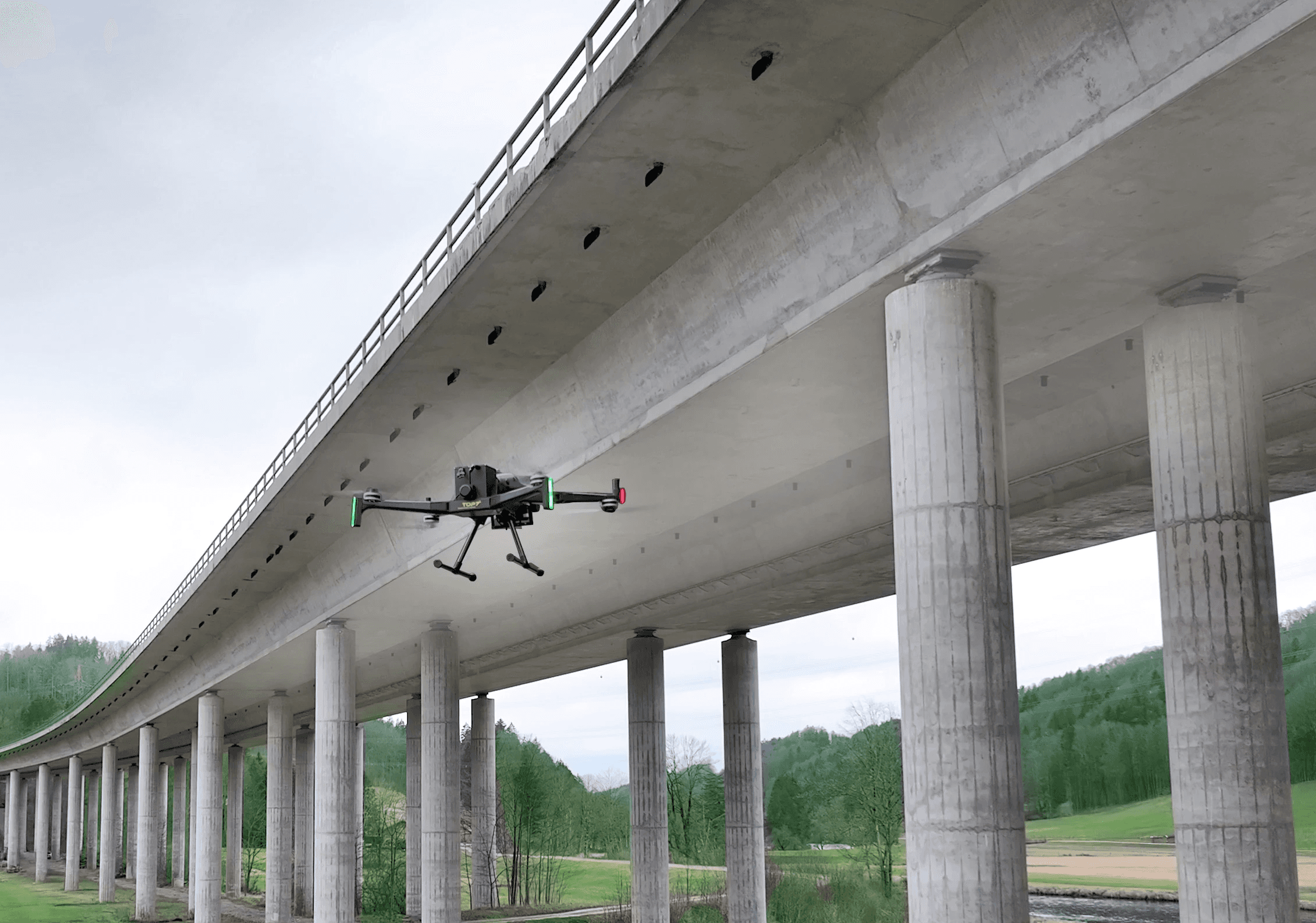
Keep Structures in Service

One platform of AI software, sensors and autonomous robotics for repeatable structural inspections.

The AI Software and Sensor Platform for Complex Infrastructure
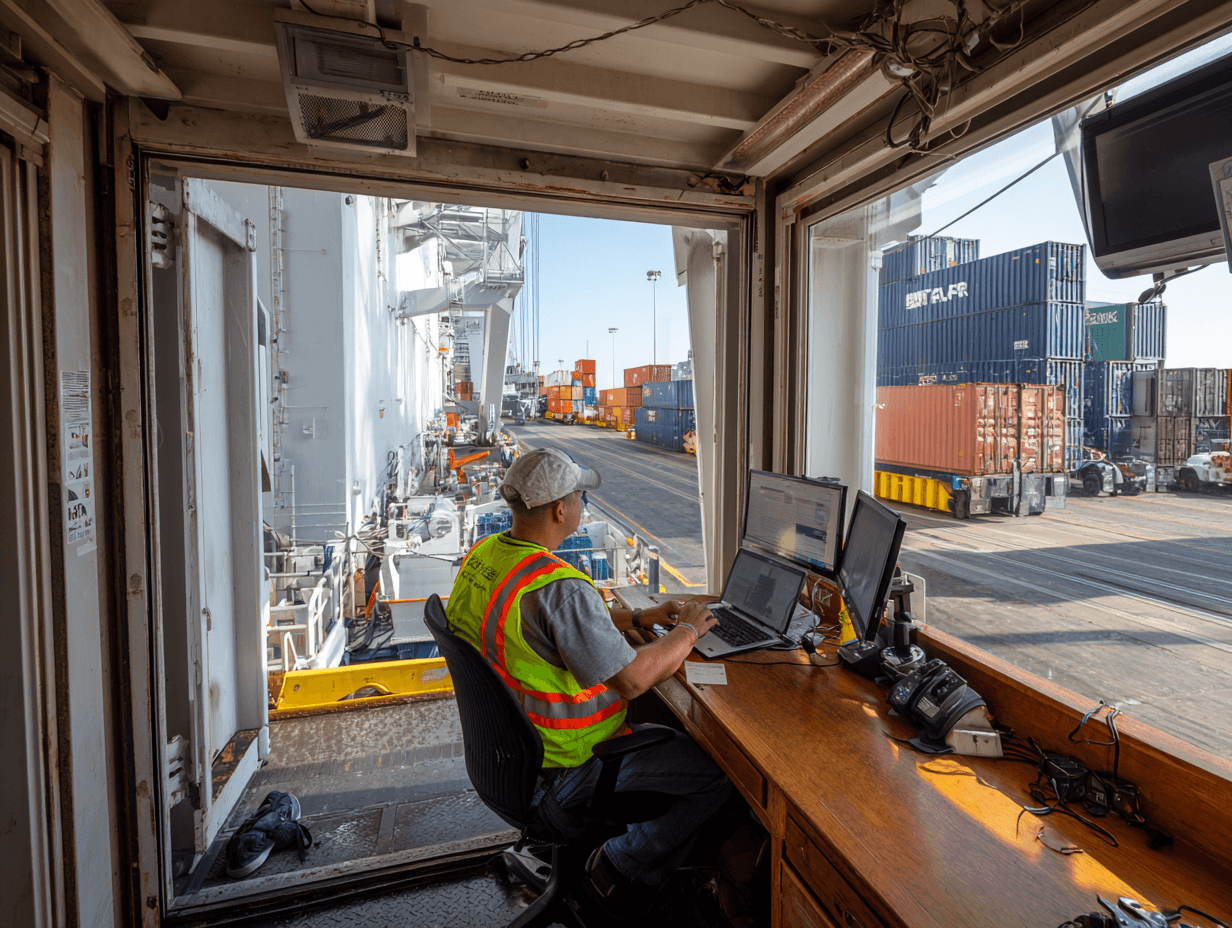
We help infrastructure teams inspect bridges, STS cranes, and complex structures with high-precision imaging, GPS-independent autonomy, and expert support. Our system ensures experts stay in the loop, allowing professional judgment to guide every mission.

We help infrastructure teams inspect bridges, STS cranes, and complex structures with high-precision imaging, GPS-independent autonomy, and expert support. Our system ensures experts stay in the loop, allowing professional judgment to guide every mission.

The Industry Problem: Why Traditional Methods Fail

The Industry Problem: Why Traditional Methods Fail

Common industry challenges:

Tight operational windows at night or between vessel calls. Photos scattered across laptops and vendors. Documentation that arrives weeks later and still leaves gaps. Lane closures and access plans that depend on everything going perfectly. For terminals, any slip threatens berth-window fidelity.

The Operational Fallout:

Coverage gaps appear after the window closes. Teams spend nights chasing files instead of fixing defects. Traffic plans slip and public scrutiny rises. In ports, lost moves and emergency repairs damage relationships. Even when you do everything right, the disruption lands on your professional reputation.
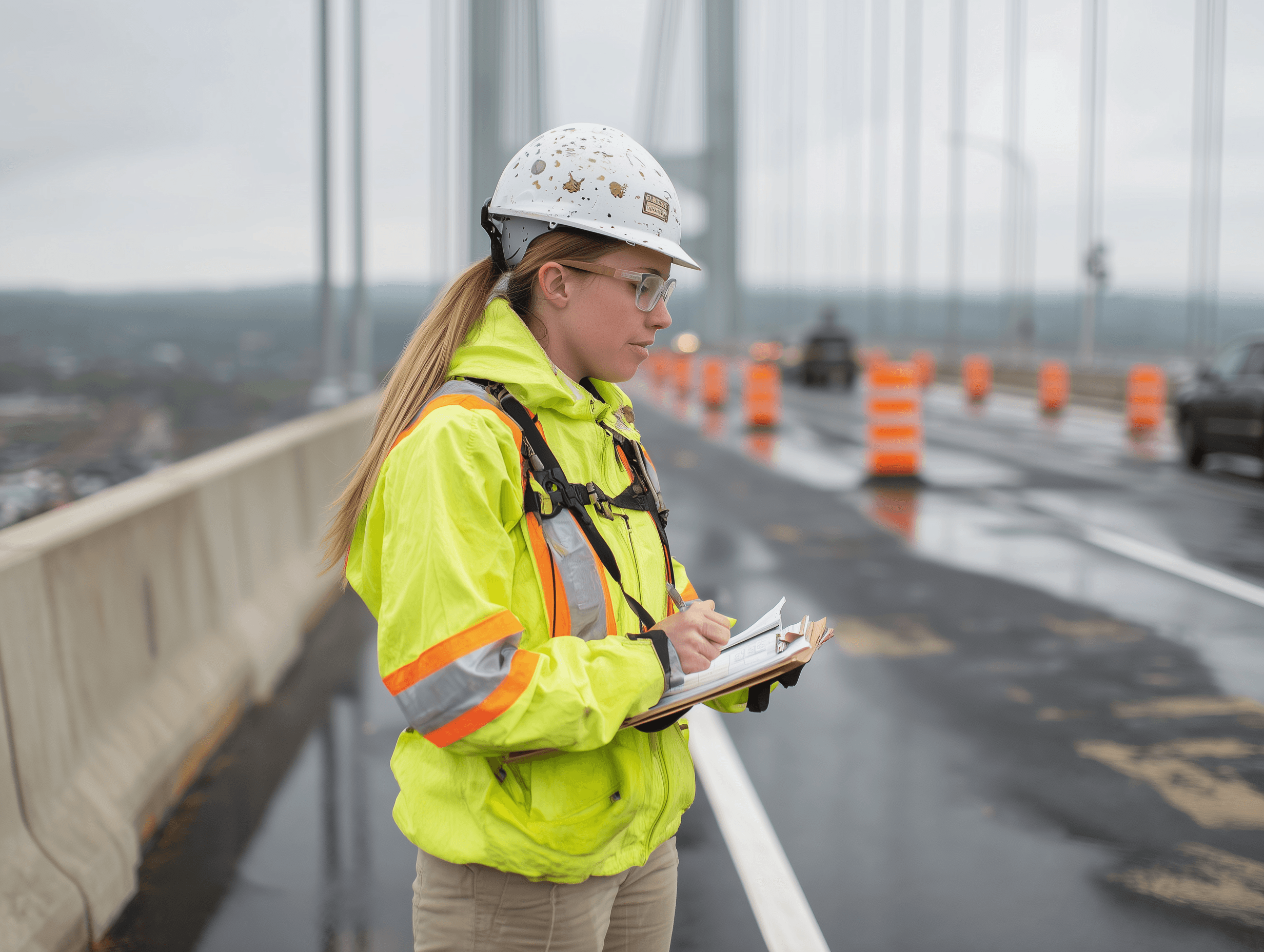
AI-Powered Expert Amplification

TOPseven combines vision-based navigation that works without GPS with high-precision imaging. Findings are organized directly within the software, and the audit-ready report is ready on the same day. You leave the site with proof, not a folder of raw files. Experts remain in control with instant override capabilities.
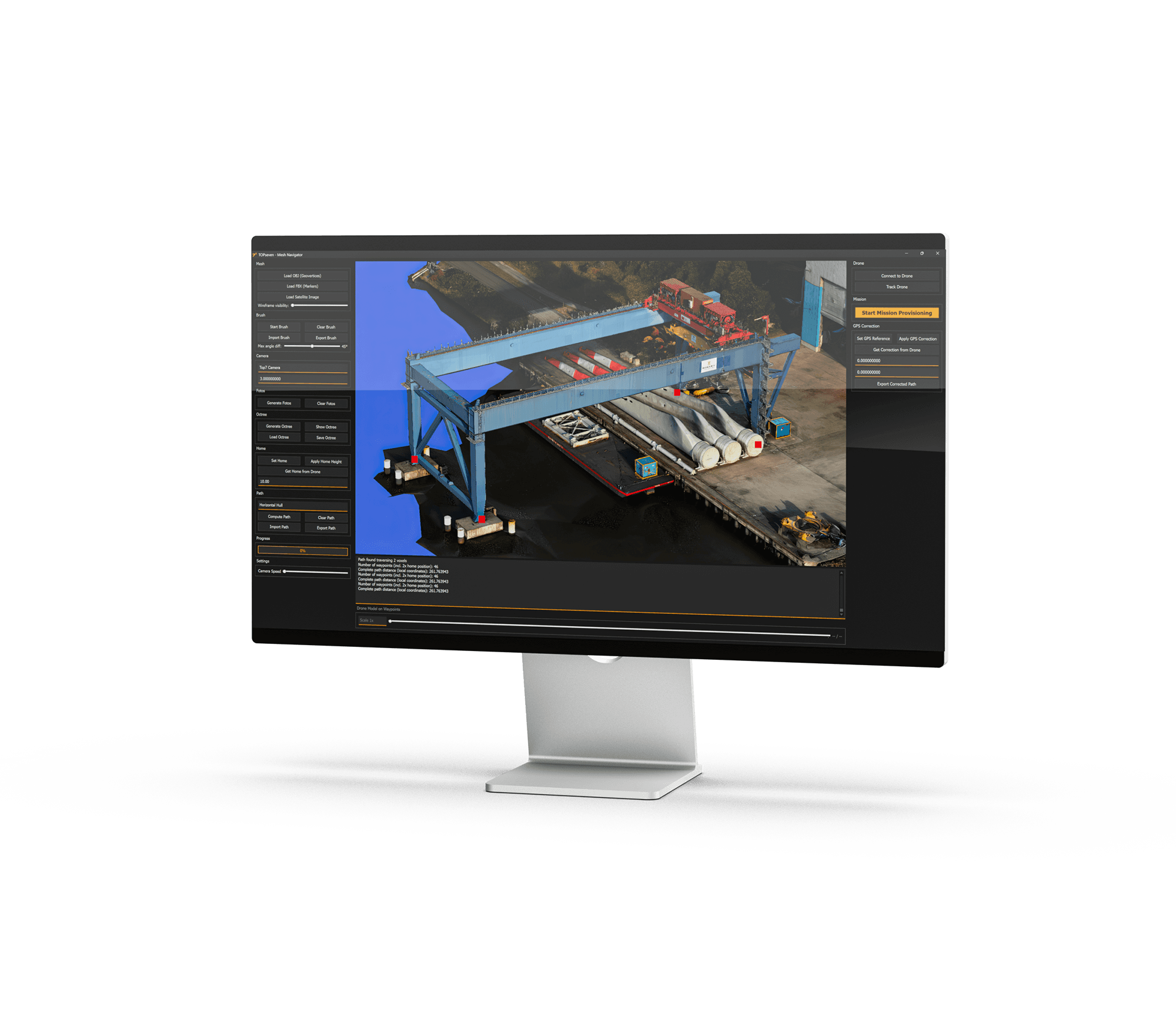
TOPseven SIGHT

TOPseven SIGHT

TOPseven SIGHT

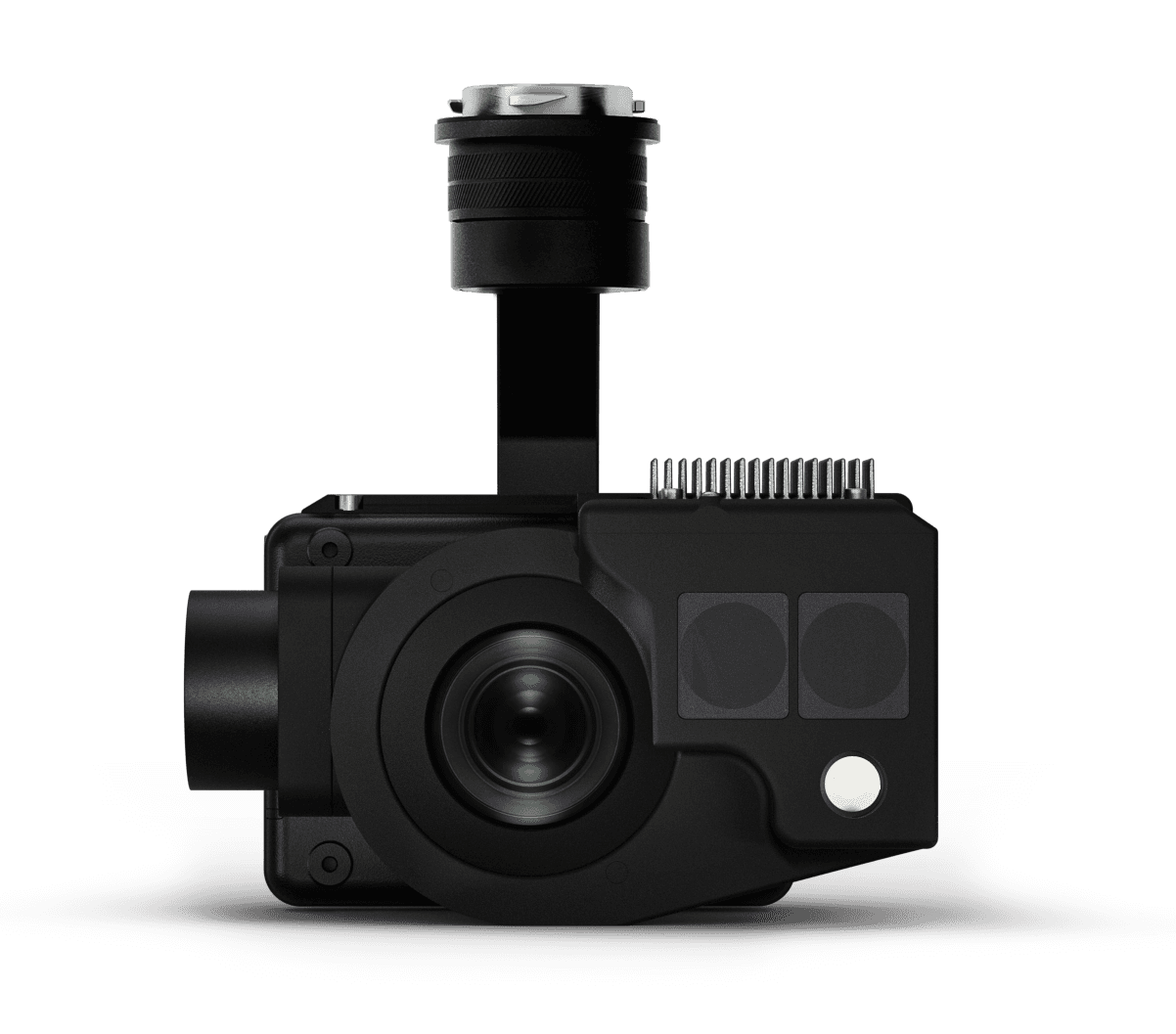
Imaging You Can Defend


• Continuous capture that keeps coverage consistent across spans, joints and lattice work

• Designed for reliable imaging in variable light and complex geometry

• Expert manual camera control for judgment-critical moments

• Professional exposure control to maintain dependable detection conditions
Always in control

Always in control

Always in control

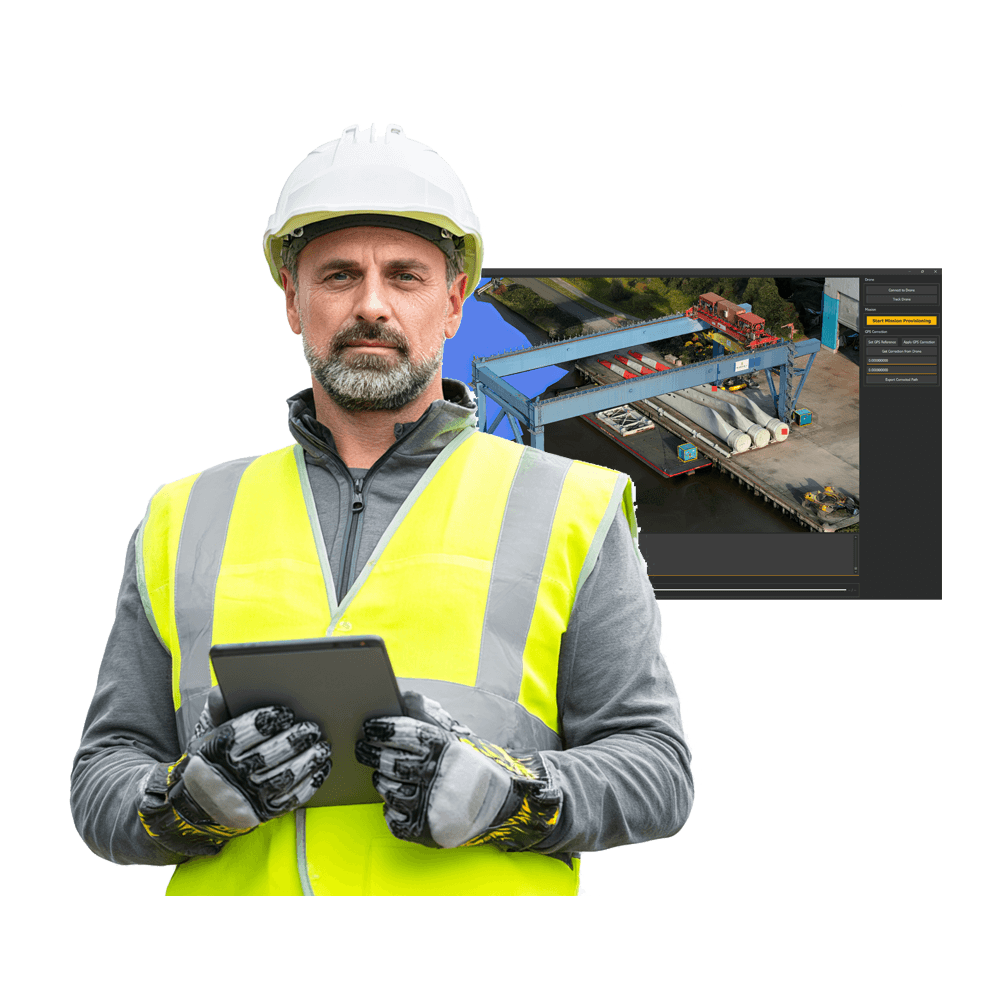
Professional Control Architecture


• Instant manual override for complex or confined scenarios

• Fits your workflow and documentation standards

• Expert parameter control preserves accountability and consistency across teams
Audit-Ready Results in Four Steps

Audit-Ready Results in Four Steps

01 Plan

Calibrate each mission to the asset as it exists on-site. This ensures inspections follow a repeatable specification across bridges, cranes, and complex structures.

02 Execute

Your operator initiates the mission. The system executes the standardized route and verifies coverage while you are still on-site, ensuring gaps are caught before the time window closes.

03 Analyze

Your experts review imagery in a structured workflow, classify findings using standardized severity scales, and generate audit-ready PDF reports in German or English with one click.

04 Govern

Your organization manages teams, enforces permissions, and archives each mission with traceability from capture to sign off for formal review, claims and audit requests.

Remove Uncertainty From Inspections.

Remove Uncertainty From Inspections.

Expert Reliability You Can Trust.

In bridges, terminals, and public structures, collecting data is not enough. You need consistent evidence, clear traceability, and documentation that stands up long after the window has closed. Our specialists support implementation and remain available to ensure every inspection is repeatable, traceable and defensible.
Frequently Asked Questions

Answers to common questions about getting started and using TOPseven day to day.
Book a demo call

Inspection and monitoring challenges and see how TOPseven can improve your operational efficiency.

Do you prefer email? We're available at:

Book a demo call

Inspection and monitoring challenges and see how TOPseven can improve your operational efficiency.

Do you prefer email? We're available at:

Book a demo call

Inspection and monitoring challenges and see how TOPseven can improve your operational efficiency.

Do you prefer email? We're available at:

What qualifications does a drone pilot need?
icon

In Germany, the EU drone license category A1/A3 is required for drone operation in the context of wind power inspection. This can be obtained from the Federal Aviation Authority (LBA) in a half-day online course. In addition, the operator's consent is required for the actual inspection of a wind turbine. We also require operators to have valid GWO certification, as this is necessary for access to the turbine and for installing the signal generators on the lightning protection system. No other special licenses or flight permits are required under the current EU drone regulation, provided that the turbine is not located in a restricted flight zone. In such cases, additional permission from the nearest tower is required.

How does training for the TOPseven platform work?
icon

Our training is divided into theory and practice and lasts a total of three days. On the first day, there is a theoretical introduction to our system, including a refresher on flight safety. The practical part then takes place on the second and third days directly at a wind turbine. Here, participants learn how to use our software, prepare missions, and handle the hardware components, including cameras and signal generators. Training participants must have an EU A1/A3 license and be GWO-certified in advance, as the training also involves working on the turbine.

Does TOPseven carry out inspections itself?
icon

No, TOPseven does not carry out inspections itself. TOPseven provides the software and hardware and trains its customers in how to use the system. TOPseven's goal is to help experts work more efficiently while becoming more competitive and attractive through the use of patented TOPseven technology, thereby offering their customers clear added value.

Is this suitable for regulated environments?
icon

Yes. The platform is built around traceability, repeatability and governance with European data sovereignty.

Is it possible to experience the system live?
icon

TOPseven regularly offers exclusive live demonstrations where interested customers and technical decision-makers can experience the system in practice. These demos take place at our own locations or at locations of your choice. The aim is to create a protected environment in which a maximum of three to four people can accompany a live inspection together – including calibration, flight, measurement, and reporting. Experiencing the system in real-world use has proven to be particularly convincing and helps to clarify technical questions directly on site and build confidence in how it works.

What qualifications does a drone pilot need?
icon

In Germany, the EU drone license category A1/A3 is required for drone operation in the context of wind power inspection. This can be obtained from the Federal Aviation Authority (LBA) in a half-day online course. In addition, the operator's consent is required for the actual inspection of a wind turbine. We also require operators to have valid GWO certification, as this is necessary for access to the turbine and for installing the signal generators on the lightning protection system. No other special licenses or flight permits are required under the current EU drone regulation, provided that the turbine is not located in a restricted flight zone. In such cases, additional permission from the nearest tower is required.

How does training for the TOPseven platform work?
icon

Our training is divided into theory and practice and lasts a total of three days. On the first day, there is a theoretical introduction to our system, including a refresher on flight safety. The practical part then takes place on the second and third days directly at a wind turbine. Here, participants learn how to use our software, prepare missions, and handle the hardware components, including cameras and signal generators. Training participants must have an EU A1/A3 license and be GWO-certified in advance, as the training also involves working on the turbine.

Does TOPseven carry out inspections itself?
icon

No, TOPseven does not carry out inspections itself. TOPseven provides the software and hardware and trains its customers in how to use the system. TOPseven's goal is to help experts work more efficiently while becoming more competitive and attractive through the use of patented TOPseven technology, thereby offering their customers clear added value.

Is this suitable for regulated environments?
icon

Yes. The platform is built around traceability, repeatability and governance with European data sovereignty.

Is it possible to experience the system live?
icon

TOPseven regularly offers exclusive live demonstrations where interested customers and technical decision-makers can experience the system in practice. These demos take place at our own locations or at locations of your choice. The aim is to create a protected environment in which a maximum of three to four people can accompany a live inspection together – including calibration, flight, measurement, and reporting. Experiencing the system in real-world use has proven to be particularly convincing and helps to clarify technical questions directly on site and build confidence in how it works.

What qualifications does a drone pilot need?
icon

In Germany, the EU drone license category A1/A3 is required for drone operation in the context of wind power inspection. This can be obtained from the Federal Aviation Authority (LBA) in a half-day online course. In addition, the operator's consent is required for the actual inspection of a wind turbine. We also require operators to have valid GWO certification, as this is necessary for access to the turbine and for installing the signal generators on the lightning protection system. No other special licenses or flight permits are required under the current EU drone regulation, provided that the turbine is not located in a restricted flight zone. In such cases, additional permission from the nearest tower is required.

How does training for the TOPseven platform work?
icon

Our training is divided into theory and practice and lasts a total of three days. On the first day, there is a theoretical introduction to our system, including a refresher on flight safety. The practical part then takes place on the second and third days directly at a wind turbine. Here, participants learn how to use our software, prepare missions, and handle the hardware components, including cameras and signal generators. Training participants must have an EU A1/A3 license and be GWO-certified in advance, as the training also involves working on the turbine.

Does TOPseven carry out inspections itself?
icon

No, TOPseven does not carry out inspections itself. TOPseven provides the software and hardware and trains its customers in how to use the system. TOPseven's goal is to help experts work more efficiently while becoming more competitive and attractive through the use of patented TOPseven technology, thereby offering their customers clear added value.

Is this suitable for regulated environments?
icon

Yes. The platform is built around traceability, repeatability and governance with European data sovereignty.

Is it possible to experience the system live?
icon

TOPseven regularly offers exclusive live demonstrations where interested customers and technical decision-makers can experience the system in practice. These demos take place at our own locations or at locations of your choice. The aim is to create a protected environment in which a maximum of three to four people can accompany a live inspection together – including calibration, flight, measurement, and reporting. Experiencing the system in real-world use has proven to be particularly convincing and helps to clarify technical questions directly on site and build confidence in how it works.