Autonomous Wind Turbine Inspection: How It Works
Autonomous Wind Turbine Inspection: How It Works Autonomous inspection is usually sold as a convenience: the drone flies itself, so the pilot needs less skill. That undersells it badly. Autonomy is not a pilot feature. It is a data feature. The reason to automate the flight is that a machine flying the same path every time produces something a human pilot never can: capture you can compare.

Florian Zimmer
Head of Operations

Table of contents
Share
Autonomous inspection is usually sold as a convenience: the drone flies itself, so the pilot needs less skill. That undersells it badly. Autonomy is not a pilot feature. It is a data feature. The reason to automate the flight is that a machine flying the same path every time produces something a human pilot never can: capture you can compare.
This article explains how an autonomous inspection mission actually works, what it changes operationally, and the one claim about autonomy you should treat with suspicion.
What autonomous means here, precisely
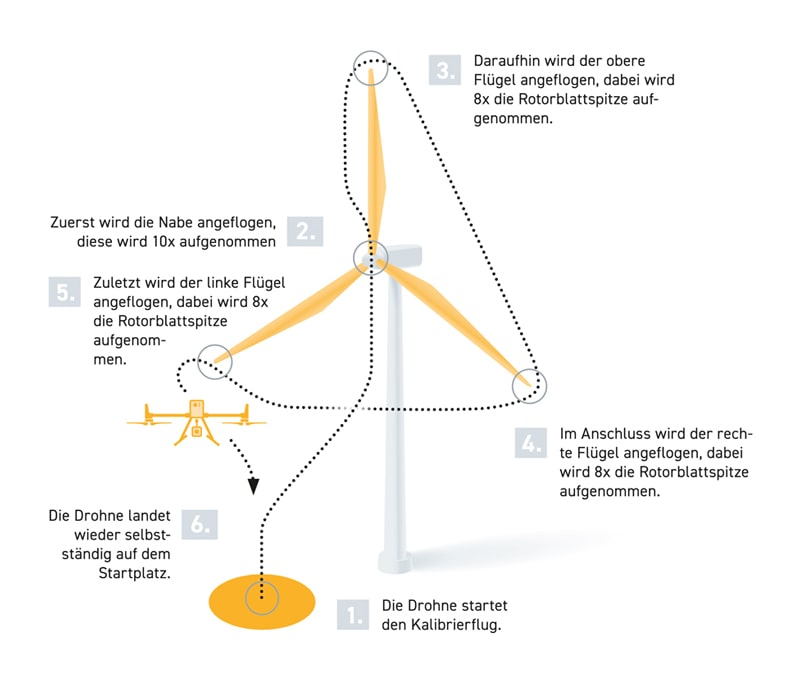
In an autonomous mission, the flight is planned once: turbine geometry, blade positions, scan distances, coverage requirements. The operator initiates the flight. The system executes the standardized route, runs its pre-flight checks on drone status, weather, route, battery, and coverage, verifies that every blade surface was captured, and confirms completion before landing.
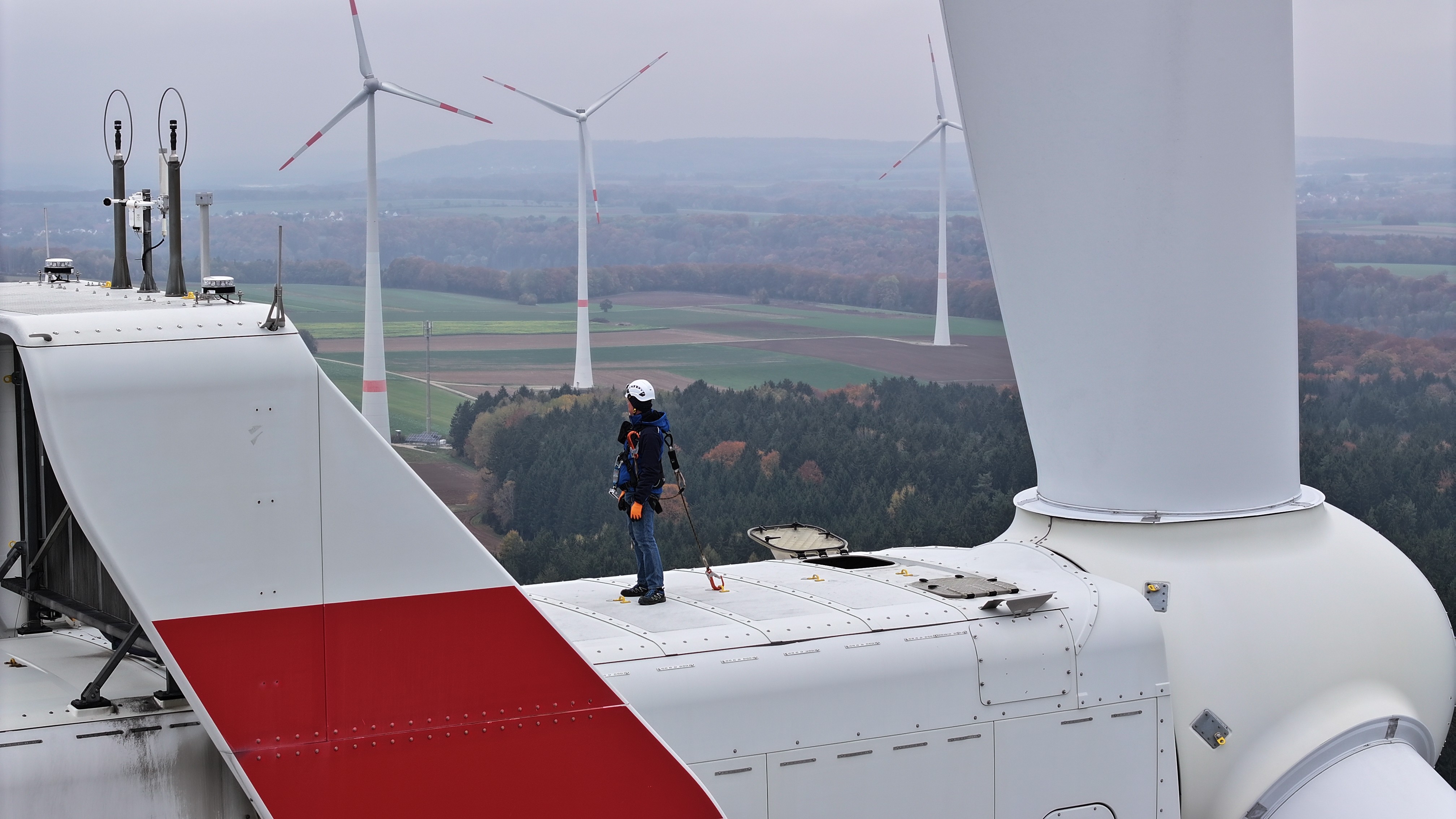
The operator supervises. The system flies. That division is the whole point, and it works with or without GPS, which matters because close to a steel tower and moving blades, satellite positioning is exactly what you cannot rely on. This is what TOPseven’s near-field robotics and GPS-free autonomy is built for.
What it changes operationally
Planning collapses. Mission planning effort drops by roughly 75% against manual waypoint setup, a figure drawn from flight logs across more than 12,000 turbine inspections. A campaign that once needed days of route preparation needs hours.
One technician runs it. No spotter steering by eye, no second pilot framing shots. One person initiates and supervises, which is what makes a throughput of 7 turbines per day per team possible, covering visual blade, visual tower, and LPS measurement in one autonomous wind turbine drone inspection deployment.
Coverage stops being a hope. Manual flights miss surfaces, and nobody knows until the images are reviewed back at the office, days later, when the team is three sites away. An autonomous mission verifies blade coverage before the aircraft lands. A gap is a re-fly of one segment on the spot, not a repeat mobilization.
Missions survive interruption. Weather closes in, a battery swaps, the mission resumes where it stopped. Controller state persists. Campaign planning gets to assume completion instead of hoping for it.
The data argument: why reproducibility beats skill
A skilled manual pilot takes good pictures. The problem is that skill does not repeat. Different day, different pilot, different distances, different angles: the resulting images cannot be laid over last year’s, so nobody can say with confidence whether the crack at radius 34 grew.
Autonomous flight fixes the variable that matters: position. Same route, same standoff distance, same framing, every cycle. Defects resolve down to 0.2 mm at standard scan distance, and because the capture geometry repeats, blade history can place up to five prior inspections side by side at the same blade radius. Progression becomes something you read, not something you debate.
This is the quiet reason autonomy matters more for fleet owners than for pilots: it converts inspections from disconnected snapshots into a longitudinal dataset. The wind turbine drone inspection guide covers what that dataset has to prove.
Autonomy plus measurement: the complete mission
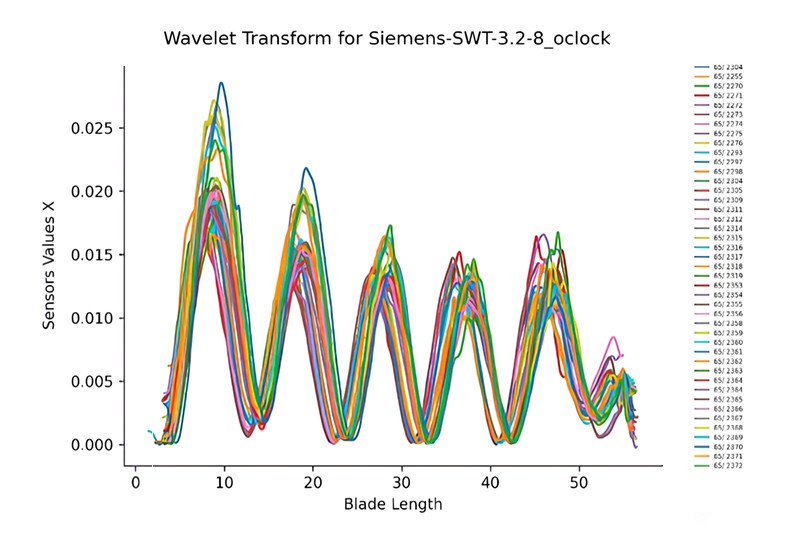
Visual capture is one payload. The same autonomous mission carries the contactless LPS measurement: the flight path along the blade doubles as the measurement pass that verifies the lightning conductor inside it, 12 to 14 minutes for all three blades. One mission, two evidence layers, the visual surface record and the electrical diagnostic. Details in the LPS inspection complete guide.
This pairing is worth checking when you evaluate providers, because autonomous flight with a camera alone automates half the inspection.
The claim to treat with suspicion
You will meet the claim that autonomy plus AI removes the expert: the drone flies itself, the model finds the defects, done. Half of that is true. AI detection in wind turbine inspection software flags, classifies, and severity-scores findings across every frame, which removes the fatigue problem of a human reviewing thousands of images. What it does not remove is confirmation. Detection is triage. A qualified expert confirms findings before they become repair decisions, because a model’s false positive is cheap on a dashboard and expensive on a work order.
Autonomy done seriously automates the flying and the finding, and keeps the judgment. A provider claiming otherwise has moved the quality risk onto you without mentioning it.
Frequently asked questions
What is autonomous wind turbine inspection? An inspection in which the drone executes a pre-planned mission without manual piloting: standardized route, automated pre-flight checks, verified blade coverage, and confirmed completion, supervised by a single technician. The purpose is reproducible capture: the same positions and distances every cycle, so inspections can be compared over time.
Does autonomous inspection work without GPS? Yes. Close to the tower and blades, satellite positioning is unreliable, so serious systems navigate with or without GPS. Missions also resume after interruption, so a battery swap or weather pause does not restart the inspection.
How much faster is autonomous inspection than manual drone flight? Mission planning effort drops by roughly 75% against manual waypoint setup, based on flight logs across more than 12,000 turbine inspections, and a single team clears 7 turbines per day including visual blade, visual tower, and LPS measurement.
Does the AI replace the inspection expert? No. AI detection flags and severity-scores defects across every frame; a qualified expert confirms findings before they drive repair decisions. Detection is triage, confirmation is judgment.
See it on a real turbine. TOPseven flies the full scope in one autonomous mission:
visual blade, visual tower, and contactless LPS measurement, TÜV SÜD validated,
audit-ready report. See how the platform works →
Related: Wind turbine drone inspection guide · Drone inspection vs. rope access · In-house drone inspection
Looking for more? Dive into our other articles, updates, and strategies

Expert Robotics.
Expert Knowledge.
Operator insights, technical deep-dives, benchmark data, and platform updates from the field. No fluff.